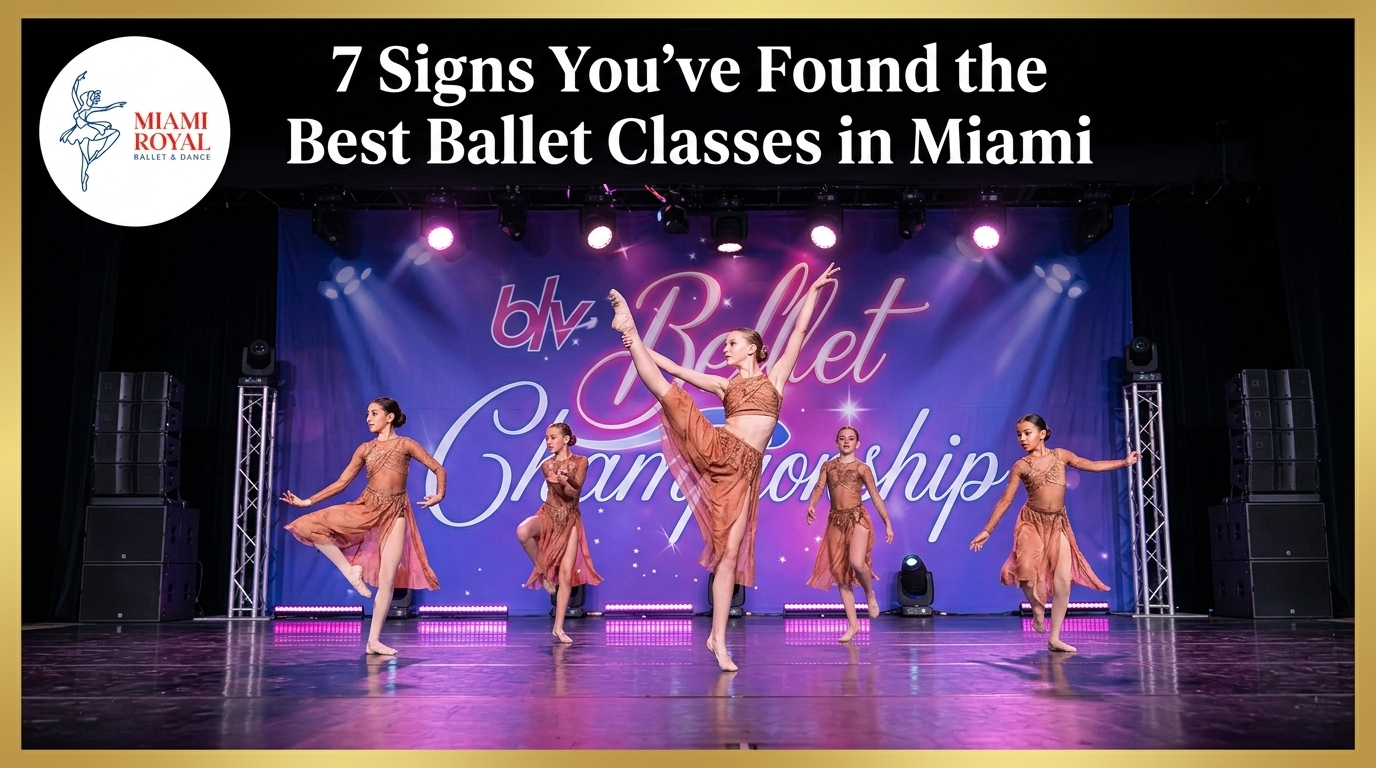
Raising your kids in Miami comes with its own challenges. One such challenge is finding perfectballet classes in Miami, so your kids can grow and train safely. The city has so many ballet schools that are known for their precision and attention to detail. But how do you know a studio is actually good before you sign up? Let us tell you!
The truth is, all great studios share the same signs. The treatment of students, their training techniques, and other functions match. You just need to know what to look for. If you are in search of an excellent ballet studio, here are the top signs that tell you that a ballet school is worth your time.
Signs That Ballet Classes In Miami Are Worth Trying
You can find numerous ballet classes in the city. But the one that truly won your heart will be the one that treats your kids fairly and trains them into elegant dancers with precise techniques. But how to recognize those studios? Here is what these schools offer to their students.
1. Certified Teachers Who Focus on Safe Technique
The best studios hire qualified teachers who know human movement and anatomy. Safe dance instruction protects young bodies while building strong technique.
Focus on Proper Alignment and Anatomy
Great instructors teach dancers how to align their knees, hips, and ankles correctly. They explain how muscles work during every move. Teachers never rush students into complex steps before basic form is solid. This careful approach prevents long-term strain on growing bones.
Use of Correct Classical Terminology
Professional teachers use correct French ballet terms right from the start. Students learn words like plie, tendu, and arabesque during their first weeks. Clear language helps dancers understand movement expectations. It also prepares students to train anywhere in the world with confidence.
2. Small Class Sizes for Individual Attention
Group size directly affects how much a student learns during a lesson. Crowded rooms make personal guidance hard for any teacher.
Personal Corrections During Every Session
In a small class, teachers watch every student closely. The instructor steps in to adjust a foot angle or straighten a back posture. Personal feedback ensures students practice moves correctly every single time.
Protection for Growing Joints
Young dancers need guidance to avoid bad physical habits. Uncorrected errors put extra pressure on ankles and knees. Small group numbers allow teachers to spot mistakes right away. This constant care keeps dancers safe from avoidable injuries.
3. Professional Sprung Floors to Protect Joints
Studio floors matter as much as good teaching. Dancing on hard surfaces like concrete or tile harms knees, shins, and ankles.
Shock Absorption for Jumps and Landings
Top dance studios install professional sprung floors. These wooden subfloors sit on rubber pads that absorb impact when dancers land from jumps. Sprung floors act like a cushion for legs and spine joints.
Marley Surface for Secure Grip
A high-quality Marley vinyl layer covers the sprung floor. Marley gives dancers the right amount of grip and slide. It prevents slipping during fast turns while allowing smooth foot glides across the room.
4. Full-Length Mirrors Across Studio Walls
Mirrors are essential working tools for every classical dancer. Clean wall-to-wall mirrors let students see their posture from every angle.
Monitoring Posture and Body Alignment
Dancers use mirrors to check their own form while teachers give verbal cues. A student can glance at the mirror to fix a drooping elbow or tilted head. This instant visual check builds body awareness fast.
Improving Group Timing and Spacing
During group routines, mirrors help dancers align their positions with classmates. Dancers learn to keep straight lines and equal spacing across the floor. Mirror practice builds strong team coordination for stage performances.
5. Structured Class Progression from Beginner to Advanced
A high-quality school offers a clear path forward for every age level and experience step.
Clear Levels for Every Growth Stage
Good studios separate classes by age and skill level. Absolute beginners start with simple balance exercises. As students gain strength, they advance through structured levels toward complex center work.
Toddler and early childhood introduction to basic rhythm
Primary youth levels focusing on core posture and barre habits
Intermediate programs building speed, turns, and jumps
Advanced pre-professional tracks and pointe work preparation
Pointe Readiness Assessment
Going on pointe requires strong ankles and solid core control. Safe studios conduct individual physical checks before allowing students to buy pointe shoes. Teachers ensure bones are ready for the extra pressure.
6. Live Music Accompaniment for Musicality
Classical dance training links directly with live music. Hearing live instruments elevates student listening skills and movement timing.
Building Rhythm and Musical Awareness
Many top academies feature live piano accompaniment during classical technique sessions. A pianist adjusts tempo to match student movement needs. Dancers learn to hear accent beats, phrase changes, and musical dynamics.
Expressive Movement and Artistry
Moving to live piano music encourages natural artistic expression. Dancers feel the emotional energy of the song. This connection turns mechanical steps into beautiful stage art.
7. Warm and Encouraging Family Atmosphere
Technical rigor must come with genuine care for student well-being. The best studio environment feels supportive, respectful, and friendly.
Positive Reinforcement from Faculty
Great teachers challenge students while offering warm encouragement. They praise hard effort and celebrate personal growth. Students feel comfortable asking questions and trying tough new steps without fear of harsh judgment.
Strong Community and Parent Communication
Quality studios keep parents informed through clear schedules, progress reports, and open communication. Families feel welcome in the studio lobby. Students form positive friendships with classmates that last many years.
Final Thoughts
Finding the best ballet classes in Miami is not about flashy marketing or big promises. It comes down to real details. Safe teaching. Proper floors. Clear structure. Music that trains the ear. Instructors who correct with care. Respect for every age group. And families who stay.
Once you see these signs, choosing a studio becomes simple. You are not guessing anymore. You know exactly what to look for.
At Miami Royal Ballet, we offer certified instruction, shock-absorbent sprung floors, small group sizes, and a warm family atmosphere in Coral Gables. Our faculty guides young beginners, dedicated teens, and adult dancers with personal corrections and artistic care.
Take a look at our class schedules, explore our classical programs, and book a trial class to experience our dance studios in Miami, FL firsthand.
FAQs
How Do I Know If a Ballet Class Is Safe for My Child?
Look for certified instructors, small class sizes, and a sprung floor. These three things protect a young dancer's body during training.
What Is the Difference Between a Marley Floor and a Regular Floor?
A marley or sprung floor absorbs shock during jumps and landings. A regular hard floor does not, which raises the risk of joint injury over time.
At What Age Can a Dancer Start Pointe Work?
Most dancers start pointe work once they have built enough ankle strength and technique, usually after several years of proper foundation training. A qualified instructor should confirm readiness before pointe shoes are introduced.
Why Does Live Piano Music Matter in Ballet Class?
Live music trains a dancer to listen and respond to timing in real time. It builds musicality in a way recorded tracks often cannot match.
Is It Normal for Adults to Start Ballet From Zero Experience?
Yes. Many adults start ballet with no background at all. A good studio welcomes beginners of every age and builds lessons around their starting point.