

Jazz Dance Classes for Children and Teens in Coral Gables
Explore rhythm, expressive movement, isolations, leaps, turns, and choreography. Share your dancer's age and experience so our team can advise on placement.
Jazz at Miami Royal Ballet
Jazz dance at Miami Royal Ballet introduces rhythm, expressive movement, isolations, leaps, turns, and choreography with attention to body placement and control.
Ballet can complement Jazz by giving dancers another way to practice alignment, musicality, and coordination. Staff recommend supporting training based on each dancer's experience, interests, and placement.
Faculty guide level placement and class options after reviewing the dancer's age, prior classes, and current goals.
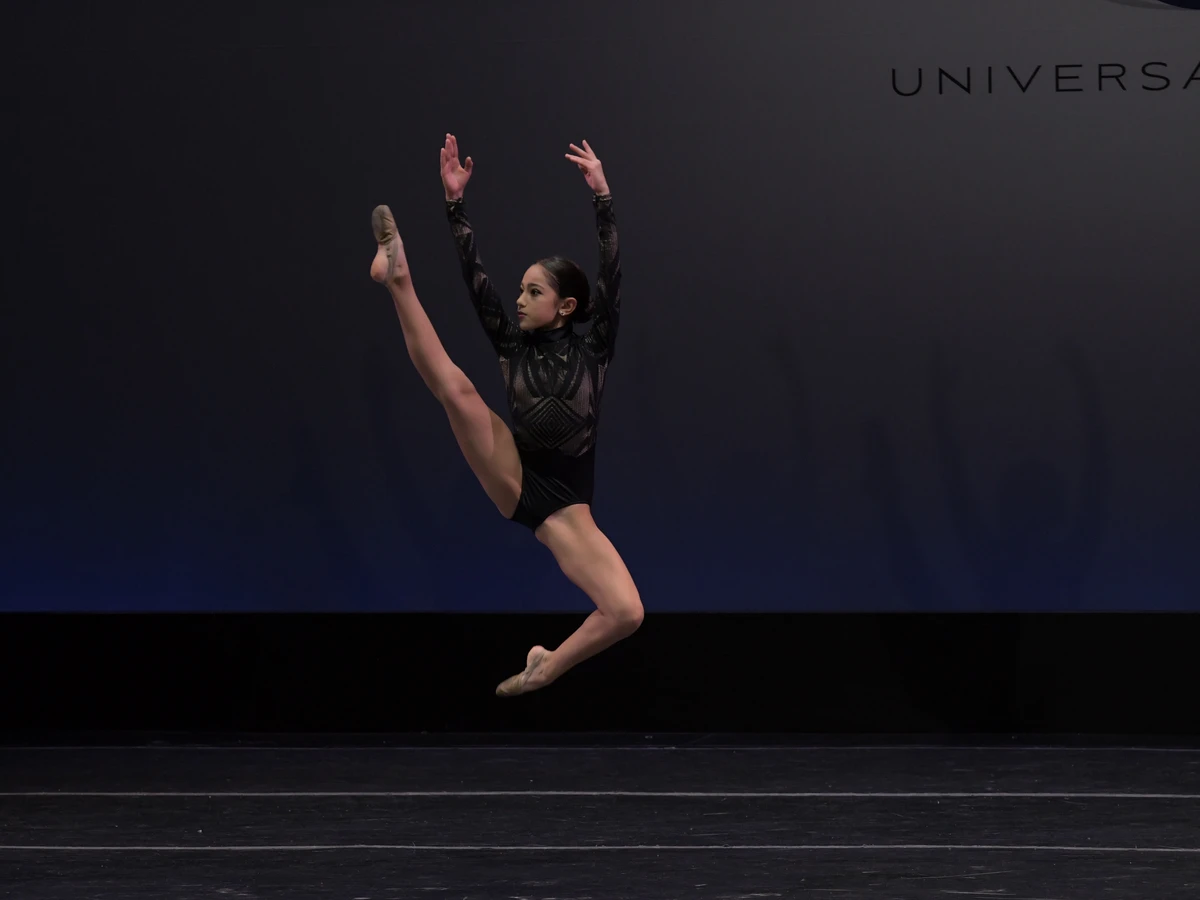
What Jazz Dancers Learn
Jazz Technique
Isolations, contractions, walks, leaps, and turns specific to the jazz vocabulary and performance tradition.
Alignment and Posture
Body placement and control while learning Jazz steps, transitions, leaps, and turns.
Musicality and Rhythm
How to connect movement to the specific character of different musical styles, from classic jazz to contemporary pop.
Leaps and Turns
Building the strength and technique for big leaps, split leaps, and clean multiple turns that define jazz performance.
Stage Presence
The energy, eye contact, facial expression, and projection that jazz requires and that audiences remember.
Performance Quality
Finishing each movement, connecting sections, and performing rather than executing, the qualities that separate good dancers from great ones.
Jazz Dance Schedule
After payment, we will confirm your trial and email your calendar invitation within the same day.
Jazz Dance FAQs
How can ballet and dance support a child's physical and mental development?
When practiced consistently and attentively, age-appropriate ballet and dance can support physical conditioning, coordination, posture, strength, musicality, body awareness, and healthy movement habits. Focused muscular engagement and careful repetition also give children opportunities to develop concentration, responsibility, discipline, resilience, patience, and follow-through. As training progresses and becomes more demanding, meaningful improvement generally requires focused, consistent work. Progress varies by student and depends on factors such as attendance, readiness, effort, instruction, and wellbeing; no specific outcome is guaranteed.
What if my child is not absolutely loving every class?
Ballet is a discipline and a growth process, so not every class will feel easy or immediately fun. It is normal for dancers to move through challenging periods as coordination, expectations, and confidence develop. Consistent attendance and age-appropriate follow-through can help children build resilience, responsibility, confidence, and the ability to persist, but every child and family is different. Parents ultimately decide which commitments are right for their child while considering the dancer's feelings, wellbeing, and circumstances. MRB faculty give respectful, thoughtful feedback with each student's best interests in mind and welcome conversations with families about concerns, progress, and the most constructive path forward. Our goal is to help each dancer grow without suggesting that one path is right for everyone or that a child's wellbeing should be dismissed.
Where can we park?
There is usually plenty of street parking. Merrick Park offers a 15-minute child drop-off and pick-up window; normal parking rules and fees apply beyond that window.
Do students have opportunities to perform?
Yes. Miami Royal Ballet presents recitals, performances, competitions, community appearances, and special events throughout the year. Opportunities vary by program, age, placement, and readiness, and our faculty will explain the experiences available to each dancer.
What schedule and commitment should families expect?
Elementary and Intermediate dancers come twice a week on weekdays, or once a week on Saturday. Advanced dancers come twice a week. Early Ballet families choose once or twice a week. After a trial, our team will help you choose an appropriate schedule and explain the season commitment and registration steps before your family enrolls.
What should the dancer wear to a trial class?
Wear tights if available; otherwise, shorts and a comfortable shirt work well. Ballet slippers or ballet shoes are preferred, but socks work if you do not have them yet. The required uniform is sold at the studio after enrollment.
How does enrollment work after a trial class?
After the trial, your teacher will recommend the right class. Our team will help you choose your schedule and complete registration. Your $35 trial payment is credited toward registration when you enroll.
Do I need ballet experience to take Jazz?
Ballet can complement Jazz training, but the right supporting classes depend on the dancer's experience and interests. Share the dancer's age and prior classes so our team can advise on level and supporting training before confirming an option.
What age group is Jazz Dance for?
Jazz classes at Miami Royal Ballet serve children and teens. Please note your dancer's age and experience when requesting a trial class so our team can recommend the right option.
What do jazz dancers wear?
Jazz shoes and appropriate dancewear. Our team will share specific requirements after placement confirmation.
Is Jazz available for competition?
Yes. Jazz choreography is part of our competition repertoire. Competition participation depends on level, readiness, and invitation by our faculty.
How does placement work for Jazz?
Choose a class time and pay $35 securely through Stripe. After payment, we will confirm your trial and email your calendar invitation within the same day. Faculty recommend the right level at your trial.
Request a Jazz Dance Trial Class
After payment, we will confirm your trial and email your calendar invitation within the same day.
Already completed your trial and received placement? Register here.